
Impact Stories
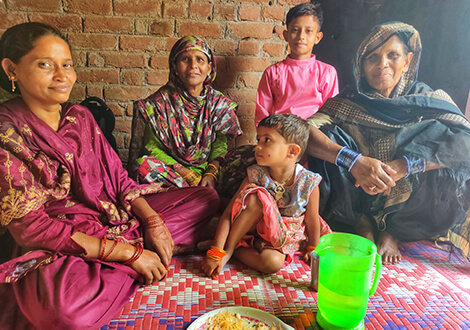
OUR VISION is a just and equitable society where everyone lives and work with dignity.
OUR MISSION is to enable the most marginalized people, especially rural women, to earn a decent living and take charge of their own lives.
WE BELIEVE that all people, no matter how poor, are capable of driving the change they need.

Leadership
We structure ourselves as concentric circles made of interdependent teams rather than traditional hierarchy of power.

Strategy
We mobilise women into collectives to help each other earn a decent living and build better communities.

People
We bring young educated professionals to work alongside people in the poorest villages, and they are chosen for their empathy as well as their technical expertise.

Partnerships
We collaborate with other organizations who want to enhance the quality of life in the communities of rural India.

Results
We prove to the development sector that empowering women with self-help groups can drive lasting change.
Our Approach
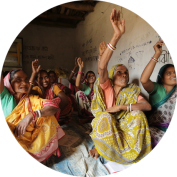
Organize
Mobilize women and families into self-help groups within their village, block and district.
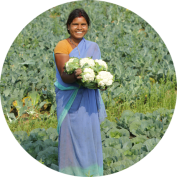
Educate
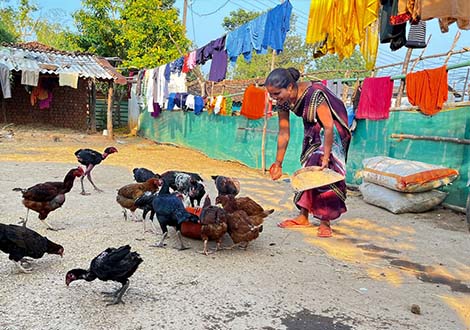
Introduce ways to earn a decent livelihood, such as by raising chickens or irrigating fields, and encourage them to believe in themselves.
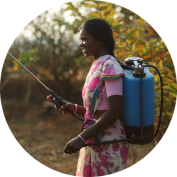
Connect
Link them to banks and markets to secure their incomes, and empower them to access government services and speak up for their rights.
Pradan Social
Our Partners