

Report
September 5, 2017
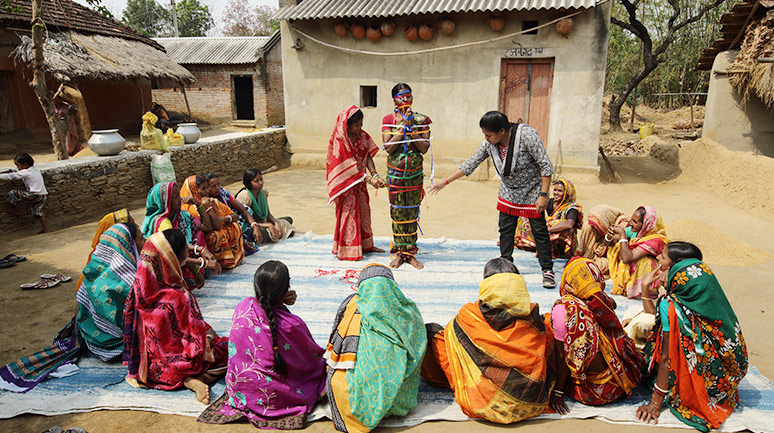
Taboos, superstitions, lack of awareness, lack of infrastructure, shame and embarrassment about menstruation are barriers to the confidence, self-esteem and dignity of girls and women, affecting their well-being and health as a consequence
September 4, 2017
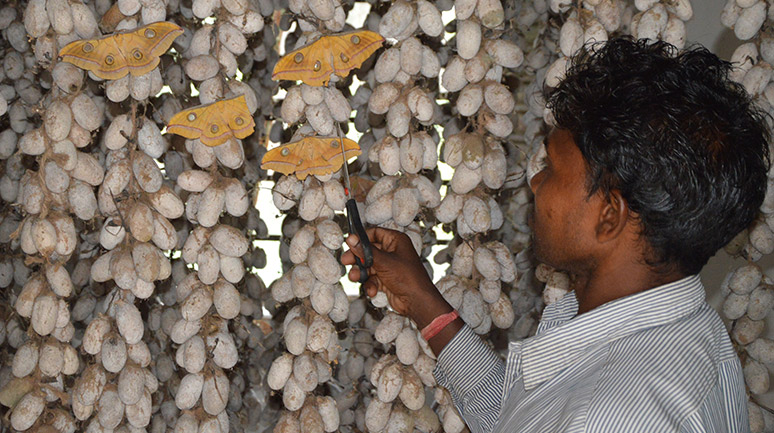
Rearing tasar worms is a precarious and fragile practice that the Santhal tribals and other villagers engage in, both because this has been their traditional occupation and because a good harvest provides them a much-needed economic support
September 2, 2017
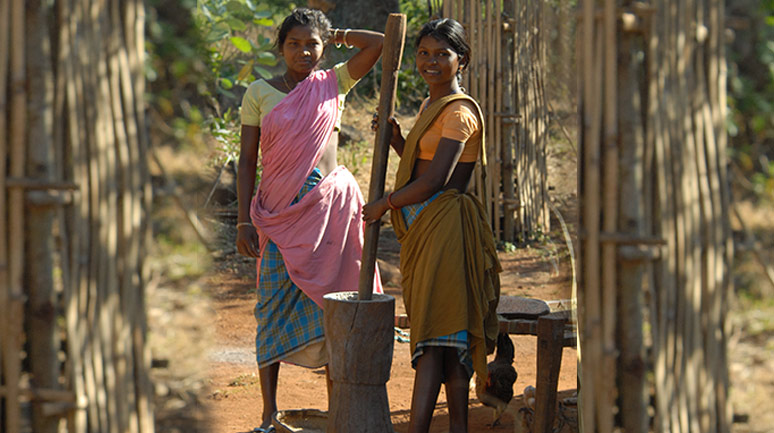
Giving up on traditional food and blindly having ‘development’ agendas in agriculture thrust on them has resulted in the tribals losing their wise and time-tested habits and practices, leading to heavy loss in health and economic terms. Today, they are neither here nor there—neither modern, ‘developed’ and prosperous nor in touch with their own indigenous crop cultivation methods and wholesome food habits
July 2, 2017
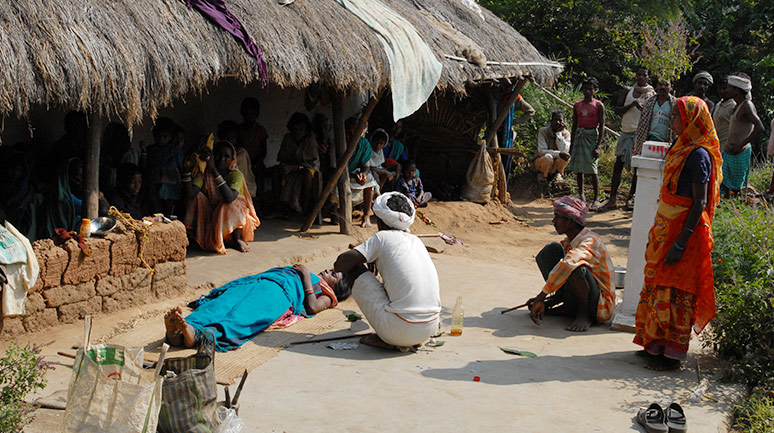
Encouraging critical thinking through open discussion in public forums, thereby challenging traditional beliefs about witches being the cause of all the misfortunes that tribal communities face is perhaps the only way that the bane of witch-hunting can be eradicated from society
July 1, 2017
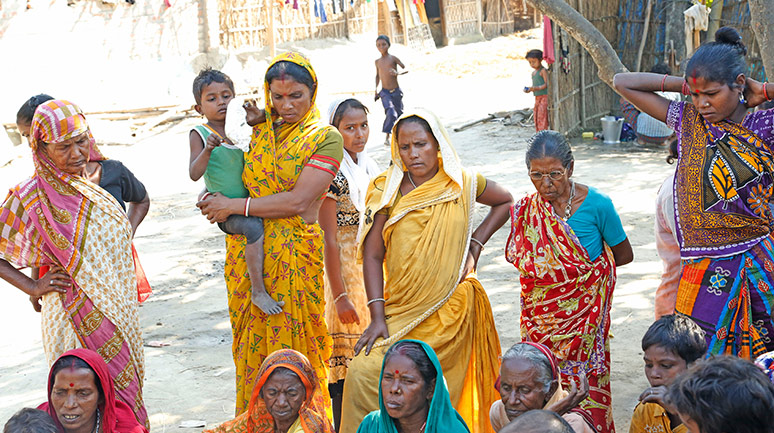
Tackling gender issues that lie at the heart of women’s empowerment by setting up alternative justice systems saw the competence and compassion of the SHG members rise to the fore; they are now a force to reckon with
June 17, 2017
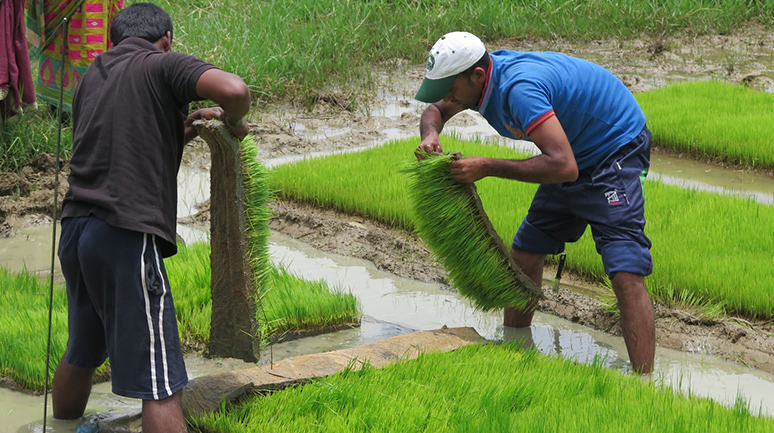
A woman worker uses her fingertips on an average 522 times, her fingernails 144 times and her palms 55 times for every single kilogramme of grain that she produces, according to a survey by India’s Ministry of Agriculture.
May 4, 2017
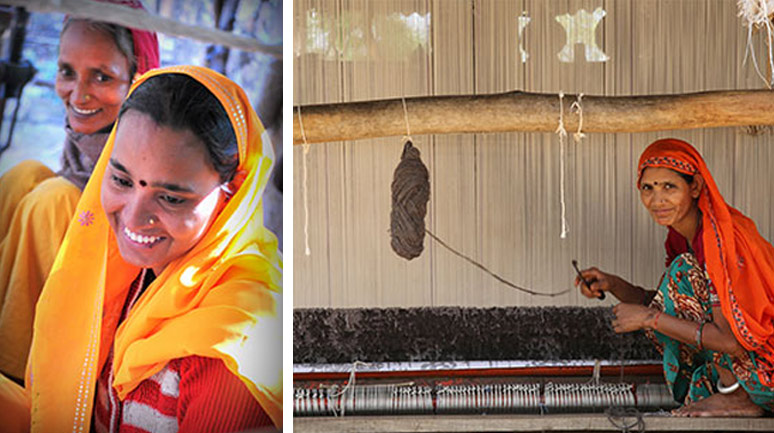
Choosing young women weavers, who show promise and who have a thirst for knowledge, as Bunker Sakhis, is an attempt to recognize the potential of women to flourish in business
May 3, 2017
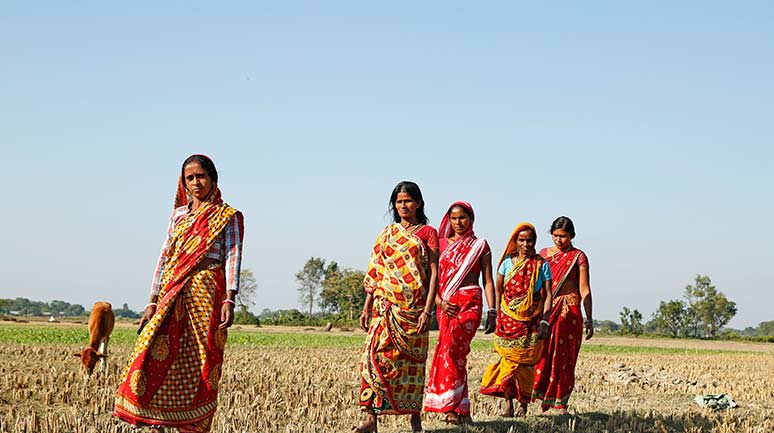
Fulfilling the need for justice-imparting systems in a strongly patriarchal society, Nari Adalats, despite facing challenges during the evolutionary phase of this Alternative Dispute Resolution system, are helping to reduce the distress of village women
April 16, 2017
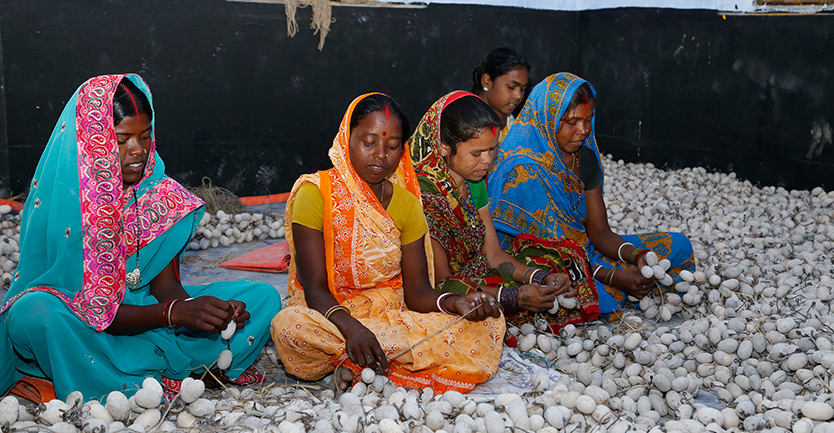
The analysis presented in this article is based on the information provided by Sachin Pathania in his documentation of the prosperity brought about in an impoverished family in southern Bihar through the introduction of tasar rearing activity in the village.
March 4, 2017
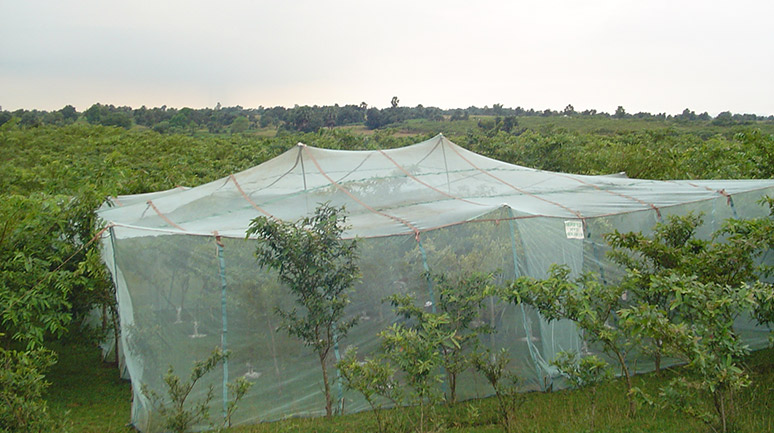
Making use of the fallow land to rear tasar cocoons and Working hard to make this livelihood option a viable one proves to be one of the best decisions that Jaalo Yadav ever took, increasing the family income, steadily inching him forward to selfsufficiency and earning him the reputation of a successful and well-informed farmer