

The ‘Sweet Heart(s)’ of Sarangagad
Srimaa Samarpita, Communication Specialist, PRADAN
Agaru ame barsha pai apekhya karuthilu au khara dine kichi bhi karu nathilu. Kintu ebe ame bunda jala sechana dwara tana khara re bhi tarabhuja chasa kariparuchu.
(Earlier, we would wait for rain and do nothing in summer. Now, with the drip irrigation technique, we grow watermelon even when it’s scorching hot)
Background
Across India, nearly 51% of the net sown area remains rainfed, contributing to about 40% of the country’s total food production (Ministry of Agriculture & Farmers Welfare, GoI). Despite the installation of various kinds of irrigation infrastructure across the length and breadth of the country, 43.6% of India’s cultivated land still lacks assured irrigation (The New Indian Express, 2025). In Odisha, out of 61.8 lakh hectares of cultivable land, only about 35% is irrigated (Department of Water Resources, Govt. of Odisha, 2021), leaving almost 40 lakh hectares of land dependent on rainfall.
In Odisha, women form a substantial share of the agricultural workforce, accounting for around 54.2% of all agricultural workers in 2020–21 (IndiaSpend, 2023). In absolute terms, this translates to over 32.5 lakh women actively engaged in farming across the state (Times of India, 2024). Nationally too, women constitute a major share of India’s agricultural workforce at 64.4% (Business Standard, 2025). Despite this overwhelming presence, women in Odisha continue to depend heavily on rainfall, face limited access to irrigation, and carry out labour that remains deeply undervalued; conditions that keep many rural households trapped in low-income, climate-vulnerable livelihoods.
The village of Sarangagad, a remote tribal settlement in the Karanjia block of Mayurbhanj district, Odisha, mirrors this reality. For generations, families here have practiced kharif cultivation, primarily paddy, relying solely on the monsoon. Over time, declining groundwater levels and the absence of irrigation infrastructure, or lack of access to perennial irrigation sources made farming increasingly unviable, pushing households into cycles of debt and distress.
With the shrinking availability of irrigation facilities, each year, crop failures became increasingly common. Most families could barely harvest enough to sustain themselves for three or four months. Like thousands of smallholder farmers in many other parts of the country, the rest of the year was spent searching for daily wage work, migrating to nearby towns, cities, and states or borrowing money from local moneylenders at high interest rates. For women, the struggle was even sharper. They not only worked longer hours in the fields but also managed household chores, fetched water from distant sources during the dry months, and stretched every rupee to keep their families afloat.
Over time, the sense of despair deepened. The younger generation began to view farming as a burden rather than a livelihood. Land remained uncultivated through much of the year, and traditional knowledge systems faded with every passing season. Without irrigation, efforts to revive agriculture seemed futile, and for the women of Sarangagad, whose labour and resilience had always held the village together, it felt like their silent contributions were being withered away on the parched land they so desperately depended on.
The Wind of Change
Amidst this adversity, while individual struggles had long defined the lives of the villagers, a new sense of collective purpose started emerging with the introduction of the concept of collectivisation and ecosystem development under the Agriculture Production Cluster (APC) programme.
Launched on 6th November 2018, the ‘Agriculture Production Clusters in Tribal Regions of Odisha’ is a flagship initiative of the Government of Odisha, implemented in collaboration with the Directorate of Horticulture, Department of Agriculture and Farmers’ Empowerment, Department of Mission Shakti, Gates Foundation, Bharat Rural Livelihoods Foundation (BRLF), PRADAN and 30 other partner NGOs. The programme aims to enhance the income of small and marginal women farmers in tribal and highland regions of the state through collective, synchronized, and market-linked farming.
Currently active across 100 blocks in 16 districts, the initiative promotes crop diversification, irrigation development, non-pesticide practices, post-harvest management, and rural entrepreneurship. Within this framework, PRADAN plays a role in mobilizing Self-Help Group (SHG) women into Producer Groups, supporting them to jointly plan, cultivate, and market their produce; turning individual resilience into collective strength and laying the foundation for sustainable livelihood growth.
Under the APC programme, PRADAN has facilitated the formation of around 40 Producer Groups in the Karanjia block alone. The Sarangagad Producer Group is one among them.
More About the Sarangagad Producer Group
Formed on 8th September 2020, the Sarangagad Producer Group (PG) comprises 104 members from the village. The group’s formation was a gradual and evolving process. While inviting women to join was relatively easy as many were already part of Self-Help Groups (SHGs); this PG represented a larger and a more formal structure of women’s collective. It took time for the members to fully understand and adapt to it.
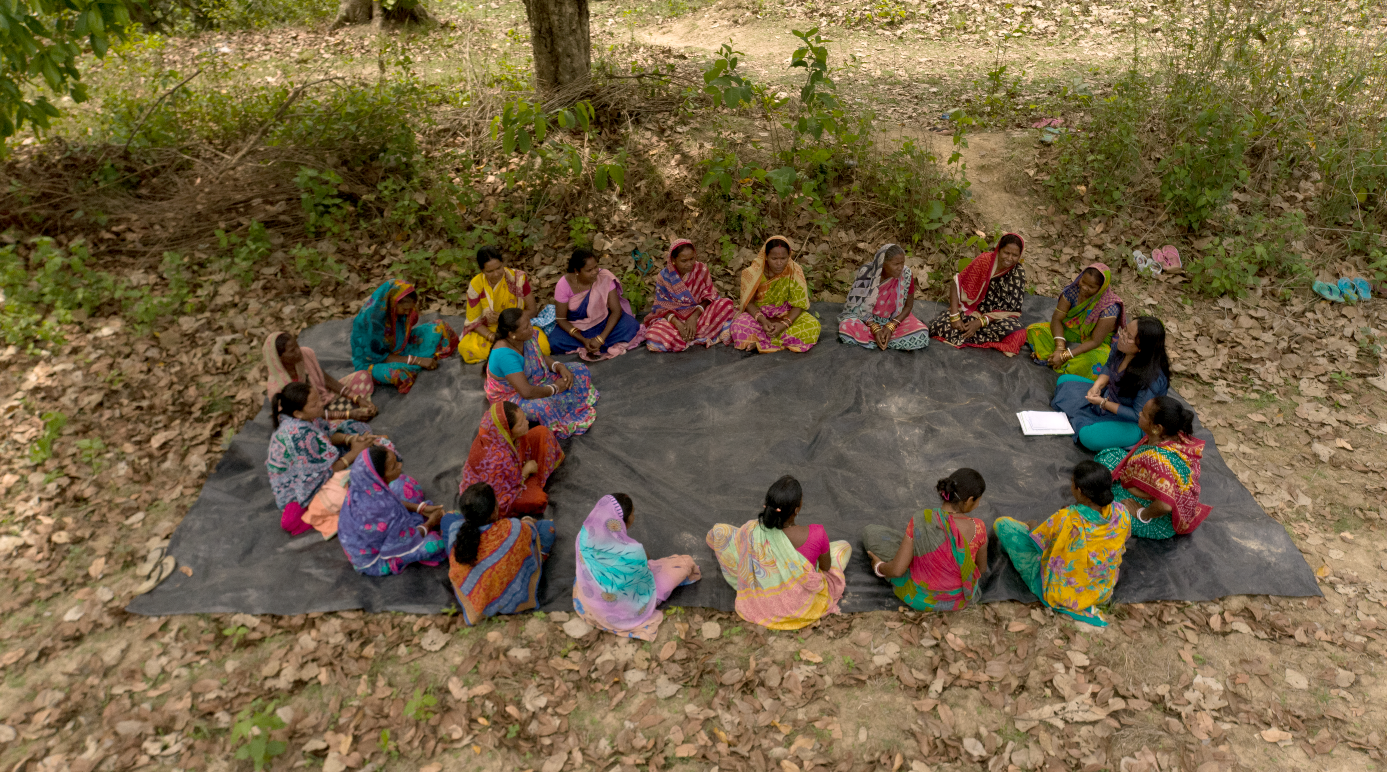
In the beginning, Producer Group meetings were irregular, with only 10–15 women attending due to low trust and hesitation around collective farming. Many even discouraged the effort, saying women were already overburdened with domestic work.
Photo: Sarangagad Producer Group meeting
The turning point came when those few women in the PG decided to cultivate bitter gourd collectively during the kharif season. While the spouses initially sold the produce, some of the women farmers wanting to do more, soon began going to the market themselves and developed direct vendor linkages establishing themselves as seasoned producers and budding marketers.
These early successes drew more members in. Today, around 50–60% of the members, that is, about 60 women attend the meetings regularly to discuss collective farming opportunities, marketing strategies, progress reviews, and upcoming agricultural plans. These regular meetings have become a space for reflection, coordination, and decision-making, strengthening the group’s sense of ownership and collaboration.
During one of the group’s meetings, discussions centred around the changing farming needs and emerging market demands. As the concept of the APC was introduced and strengthened, women began understanding how synchronised production planning aligned with evolving market requirements and cluster-based selling could enhance their bargaining power. Over time, and through consultations with the staff from PRADAN, around 40–50 women from the Sarangagad Producer Group gathered in August 2024 to collectively plan for the upcoming Rabi season, ensuring that their production decisions were closely linked to emerging market opportunities.
Noticing the rising market demand for watermelon and its moderate water requirements which made it suitable for the severely reduced water availability after the monsoon, the group explored the idea of cultivating the crop collectively. Although the village had around six farm ponds supporting nearly 301 hectares of cultivable land with about 250 hectares under Kharif cultivation, they largely depended on the monsoon. These ponds dried up soon after the rainy season, retaining only minimal water. This made it difficult for farmers to continue conventional agriculture beyond the monsoon. After detailed deliberations, 15 women volunteered to take a calculated risk and pilot large-scale watermelon farming. They identified a 15-acre patch of fallow medium upland, located about 300 metres from a perennial branch of the Deo River, a small stream that flows year-round.
Encouraged by the initiative, other members of the Producer Group also expressed interest in cultivating watermelon and other vegetables individually, either in their backyards or on smaller patches of land, marking a gradual yet promising shift toward diversified farming practices.
Challenges Faced
The women encountered several challenges at the beginning of their journey. Social resistance was perhaps the toughest. Stepping into commercial farming, a space long perceived as a male domain because of its association with marketing, physical labour, and large-scale decision-making was met with ridicule and scepticism. Many villagers couldn’t comprehend why women would want to engage in such work.
Kumudini Nayak, one of the pioneering farmers, became a target of mockery for leaving her home to attend meetings and work in the fields. Her spouse’s relatives would often taunt her, saying, “Sie (Kumudini) kai ete pua nka pari bahare ghuruchi au kama karuchi? Egudaka (chasa au sabha jiba) stree loka nka kama nuha.” (why is she roaming around like men and doing their work? Farming and attending meetings aren’t for women.)
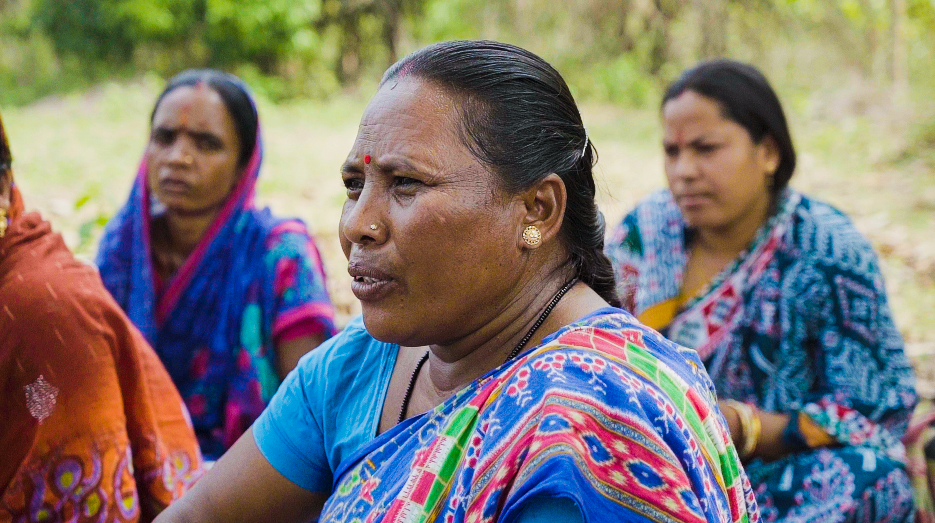
Photo: Kumudini Nayak in one of the Producer Group meetings
Similarly, Pramila Sidu faced criticism for attempting to cultivate barren land with a declining water table. Some villagers jeered, “Se jami re kichi upujibani, sesha ku khali hata re asiba,” (nothing will grow there; she’ll only return empty-handed.)
Beyond social resistance, environmental challenges added another layer of difficulty. The scorching summer months caused the stream of Deo to shrink, threatening the survival of their young watermelon crops. Without assured irrigation, every drop of water became precious, and maintaining crop health required constant vigilance, and teamwork.
These voices of doubt and derision tested the women’s resolve. Yet, they chose to persevere, drawing courage from each other and from their growing sense of purpose as a collective.
As Kumudini Nayak herself said, “Ame kichhi nua karibaku chesṭa karile nischaya kichhi na kichhi phala miliba. Na milile bhi chinta nahi, se chesṭare madhya ame nua kichhi sikhijiba, au amaku eita gote nua rasta dekheiba” (If we try to do something new, we will surely gain something from it. And even if we don’t, it’s alright, through the effort itself we’ll learn something new, and that learning will guide us toward a better path.”)
The Intervention
PRADAN is working with multiple actors to develop irrigation models that support women and smallholders by enhancing their access to water, expanding the area they cultivate, and increasing cropping intensity. Under the AWARE initiative, a strong emphasis is placed on strengthening women’s access, leadership, and decision-making related to irrigation assets and water governance. This is achieved through their collective action and coordinated engagement across various stakeholders.
In this region, declining water tables have become a major concern. The issue surfaced repeatedly during two to three consecutive meetings with the 15 women members, prompting deeper reflection and discussion. After careful deliberation, and with technical guidance from PRADAN staff, the group was advised a practical and sustainable solution: lifting water from the Deo river using a pumpset and installing a drip irrigation system connected to it. This approach was considered the most effective way to ensure crop survival while promoting long-term water efficiency for the 15 acres of land.
With support, the women built their understanding of drip irrigation, a micro-irrigation system that delivers water slowly and directly to the plant’s root zone through a network of pipes and emitters. This method minimizes evaporation and runoff, ensuring that every drop of water is used efficiently, unlike traditional flood irrigation that often leads to wastage.

Photo: Structural diagram explaining the drip irrigation system
To build confidence among the members, the staff shared examples of successful drip-irrigation practices from other regions, drawing on earlier orientation visits to villages such as Kerkera, Nenduapal, etc. Seeing its tangible benefits like healthier crops, reduced water use, and lower labour demand; the women were convinced that adopting this approach could transform their farming practices. What began as an experiment soon became a collective step toward sustainable and climate-resilient agriculture.
The planning for this initiative took shape in August–September of FY 2024–25, when a comprehensive cultivation plan was jointly prepared with the active participation of multiple stakeholders.
Following a convergence approach, the Horticulture Division of the Department of Agriculture and Farmers’ Empowerment, Government of Odisha, extended support under the Mission for Integrated Development of Horticulture (MIDH) scheme, providing the essential drip irrigation infrastructure and mulching sheets. Simultaneously, the Integrated Tribal Development Agency (ITDA) supplied subsidized agricultural inputs such as seeds,organic fertilizers, and irrigation equipment.
Since the producers were struggling to afford the cost of inputs required for watermelon cultivation, ITDA stepped in under the Mukhyamantri Janajati Jeevika Mission to cover the contribution on their behalf, ensuring that financial limitations did not become a barrier to participation. Meanwhile, PRADAN, in collaboration with departmental staff, supported the farmers in crop calendar planning and developing an appropriate package of practices, equipping them with the knowledge and tools required to implement the new system effectively.
The women decided to cultivate the ‘Sweet Heart’ (F1 Hybrid) variety of watermelon, known for its high yield, resilience, and strong market demand—qualities that make it far more consistent and profitable than traditional local varieties, which often have variable size, sweetness, and lower yields. As many members were still engaged in peak-season paddy activities, the group carefully aligned their watermelon sowing to match the appropriate planting window, ensuring the crop received the right start despite overlapping agricultural schedules.
By November–December, after receiving seeds, the women began land preparation and used pro-trays for healthy seedling development before transplantation. Water was drawn from a nearby branch of the Deo River using a 5 HP diesel pump, ensuring a consistent water supply throughout the season. Simultaneously, drip irrigation systems were installed, enabling efficient water use and minimal withdrawal from the river source.
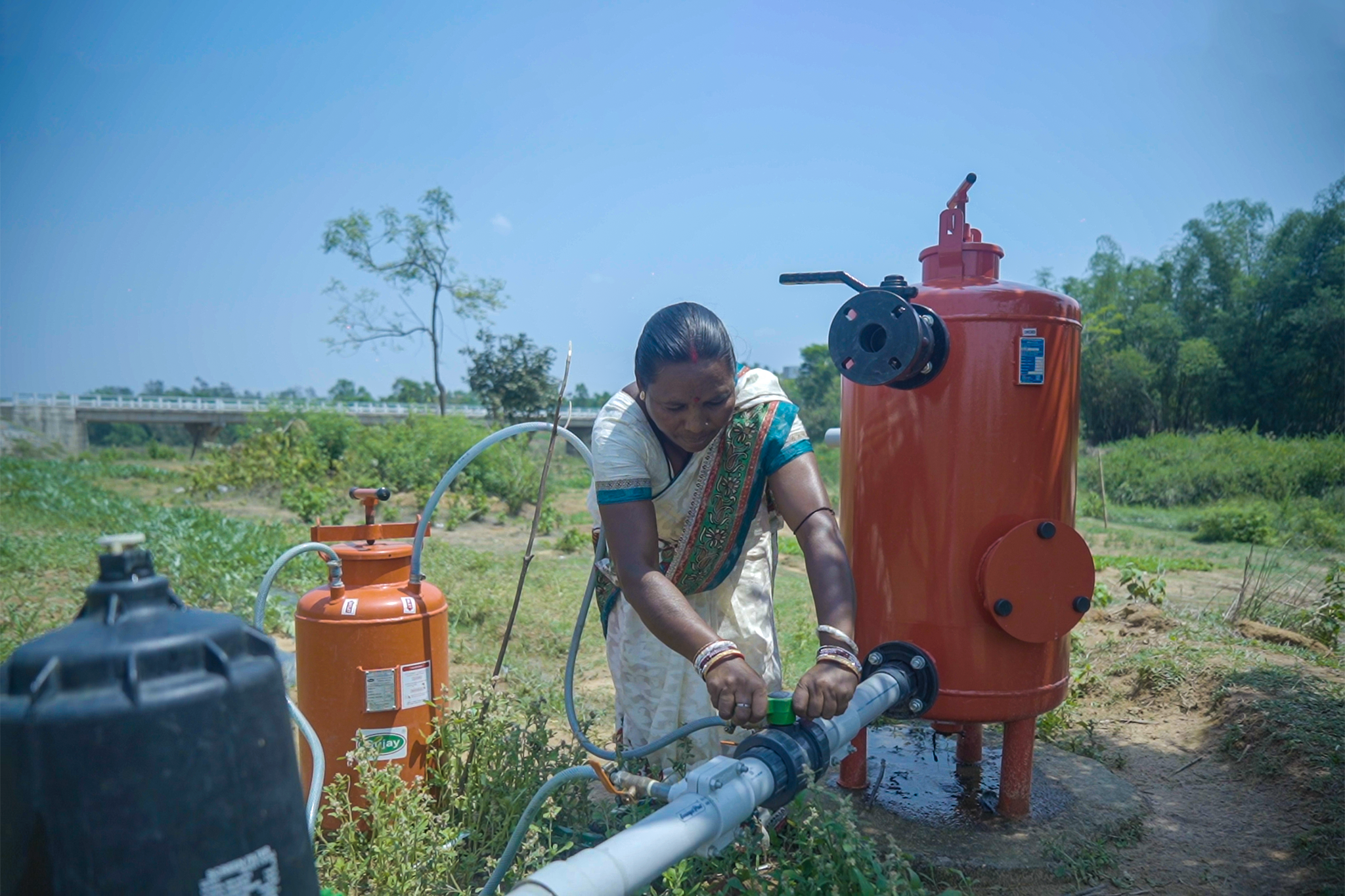
Photo: Kumudini Nayak with drip irrigation infrastructure
They adopted improved agronomic practices such as raised bed planting and mulching, which helped conserve soil moisture, control weeds, and maintain soil temperature. A fertigation system combining balanced fertilizer distribution with irrigation ensured that nutrients reached the plants precisely when needed.
The producers also received training in Integrated Pest Management (IPM), learning to use neem oil, pheromone traps, yellow sticky traps, and Trichoderma to manage pests with minimal chemical input. Through this careful integration of traditional knowledge and modern techniques, the women created a climate-resilient and resource-efficient farming model, setting a new benchmark for sustainable agriculture in the region.
Overcoming the Challenges
Despite the odds, the women backed by continuous support pressed on with determination. Recognizing their efforts, the Horticulture Division of the Department of Agriculture and Farmers’ Empowerment, Government of Odisha, along with the Integrated Tribal Development Agency (ITDA), extended crucial assistance. This included the provision of water tanks with filters to clear sediments, pipeline networks, and fertigation systems, which greatly strengthened their irrigation setup.
These interventions allowed the women to manage irrigation schedules more efficiently, ensuring that every drop of water was used judiciously. As a result, water consumption was reduced by nearly 70–80% compared to the earlier flooding methods. With each visible success; healthier crops, efficient systems, and coordinated teamwork, the community’s perception began to shift. What was once met with skepticism slowly turned into admiration, as villagers started acknowledging the women’s resolve, technical understanding, and unwavering commitment to transforming their farmlands and livelihoods.
Impact and Achievements
By early April, 2025, the women completed their first round of watermelon harvest. The second harvest soon followed, yielding nearly 60 tons and generating an income of about ₹6,00,000 from the initial two harvests across 15 acres cultivated by 15 women farmers.
By the last week of April, after several rounds of harvesting, the group had collectively produced an impressive 195 tons of watermelon, earning a total revenue of ₹20,75,000. After deducting expenses, the women realized a net income of ₹17,87,000, with each farmer earning an average of approximately ₹1,19,133 — a remarkable achievement for a first-time commercial initiative.
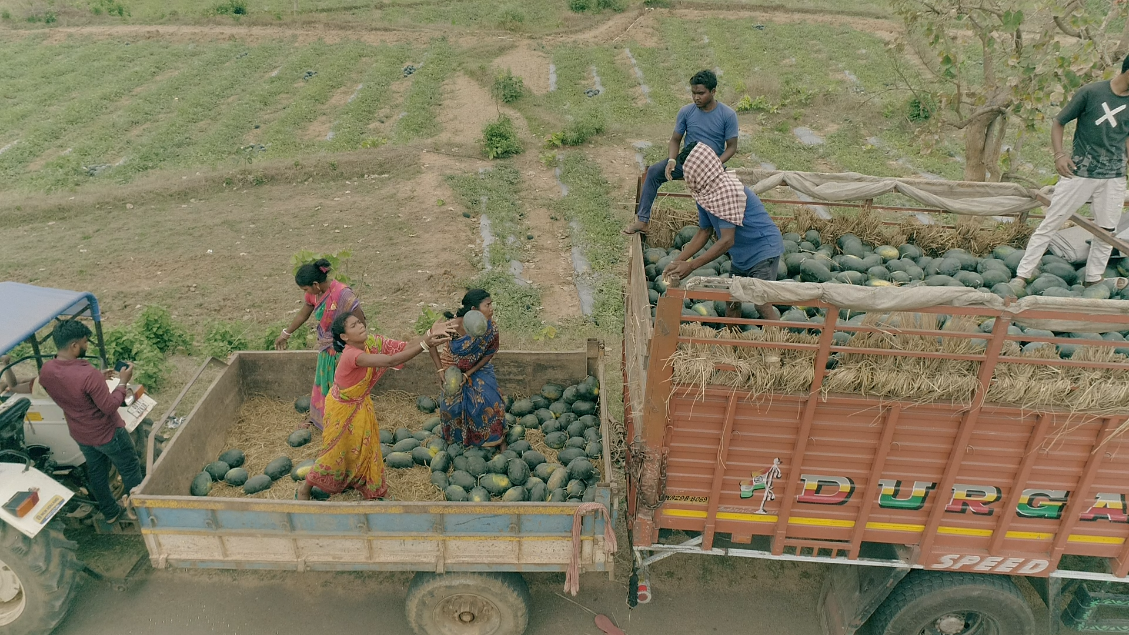
Photo: Women of the Sarangagad Producer Group transporting freshly harvested watermelons to the market
Their ‘Sweet Heart’ watermelons quickly gained strong market demand across Odisha, West Bengal, and Jharkhand, allowing for shorter transportation distances and minimal post-harvest losses. The Swayang Sampurna Farmer Producer Company (FPC)*, an FPO facilitated by PRADAN in coordination with Sarangagad PG, played a key role in facilitating market linkages, ensuring that the farmers received fair prices and steady returns for their hard work.
Recognition over time
The women’s collective achievements drew the attention of district-level officials, including Shri Premanshu Chand, Sub-Collector, Mayurbhanj, Shri Tankadhar Kalo, Deputy Director of Horticulture, Mayurbhanj, Shri Ashish Ranjan Mohanty, Assistant Director of Horticulture, Panchapidh-Karanjia subdivision and Shri Piyush Sharma, Project Manager, ITDA, Karanjia. Their visits to the watermelon fields were filled with words of appreciation and encouragement for the women who had transformed barren, drought-prone land into a model of productive farming.
As Shri Kalo, Deputy Director of Horticulture, Mayurbhanj said (as published in the article by The New Indian Express in October, 2025),
“Now, the watermelon initiative has not only transformed the village’s agricultural landscape but also boosted the women’s confidence in practicing sustainable farming. When the fruits ripened, the women cultivators harvested together, and the fields looked abundant with piles of fresh, ripe, and juicy watermelons. The entire harvest was collectively sold through the Swayang Sampoorna Women Farmers’ Producer Company, eliminating the role of middlemen and ensuring fair pricing.”
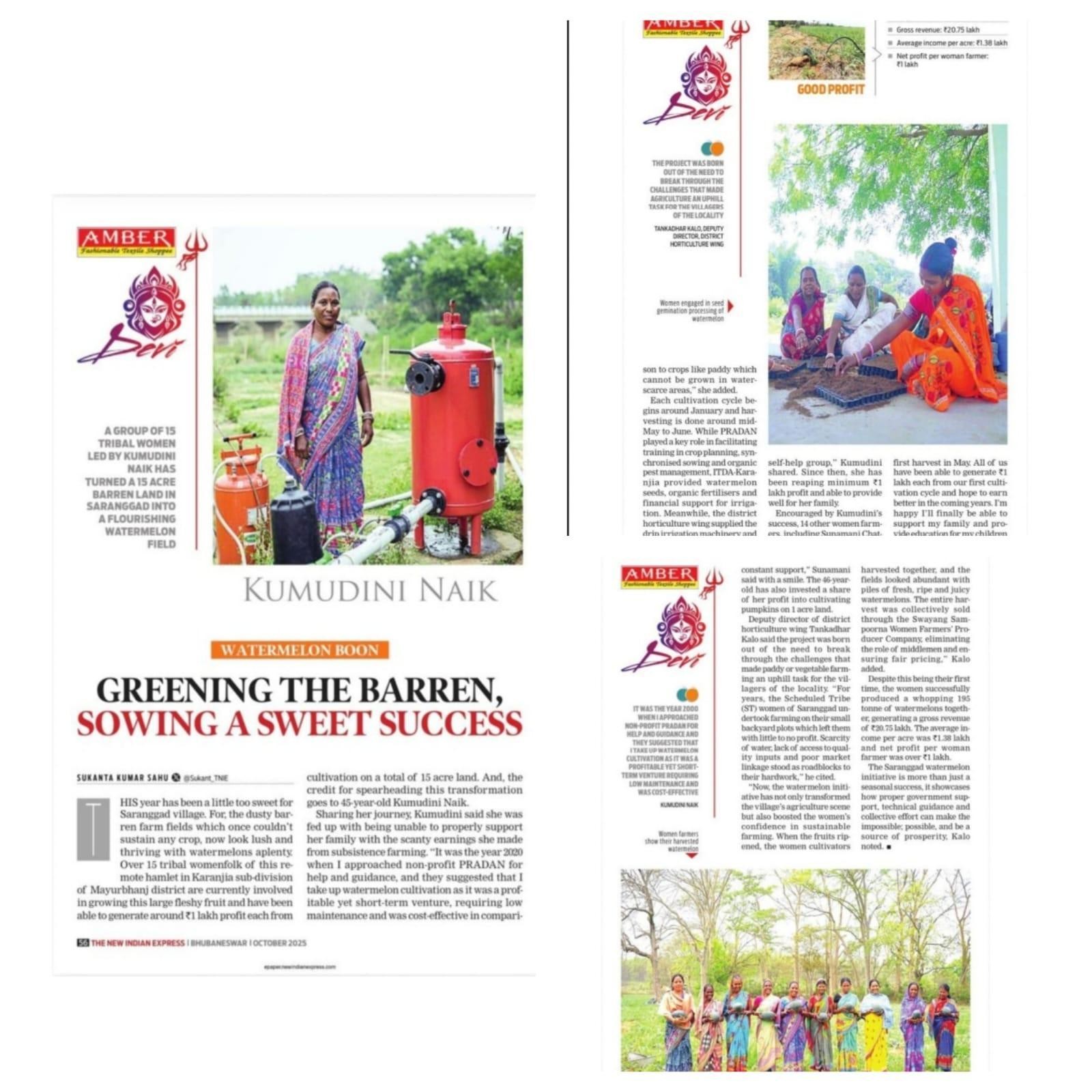
Photo: Snippet of an article published by The New Indian Express in October, 2025
This success story began to resonate beyond Sarangagad. More than 60 women from neighbouring villages including Rodang, Chheliaposhi, Dari, Kerkera, Badadeuli, and others visited the fields to observe the model firsthand. Inspired by the results and the determination of their peers, many of them have now expressed a desire to adopt collective watermelon farming in their own villages.
The recognition didn’t stop there. On 16th June 2025, Kumudini Nayak represented her group at a felicitation ceremony under the Vikash mela held in Baripada, Mayurbhanj, where their success was formally celebrated. For Kumudini and her fellow farmers, the honour symbolized how far they had come from struggling with dry, lifeless fields to leading a water-efficient and profitable farming model that others now aspire to replicate.
What Success Looks Like
Kumudini shares her joy with a bright smile, Agaru loke mo upare hasuthile jetebele mu gharu goda kadhi chasa ki sabha pai baharuthili. Kintu ebe mu garbita achi. Mora ei tarbhuja ra rojgar re mu mo dokana ku sajadibi au mo paribar ku bhala subidha dei paribi.” (Earlier, people laughed when I stepped out for farming or meetings. Now, I’m proud. With around 1 lakh income from watermelons, I’ll renovate my shop and provide better support to my family.)
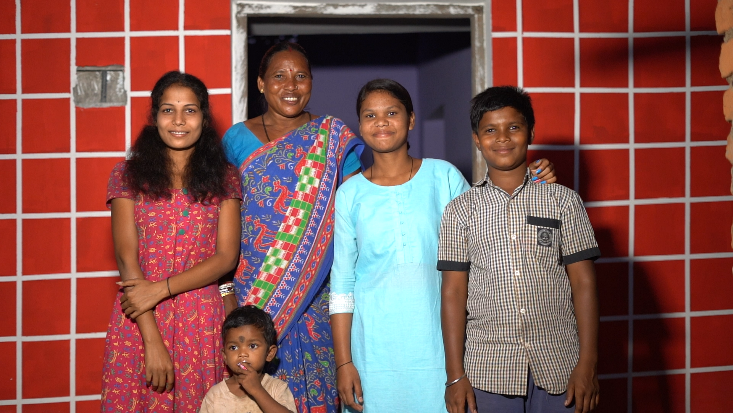
Photo: Kumudini Nayak with her family
Pramila echoes the same sense of fulfillment, “Semane (gaon loka) ehi chasa ku samaya barbad karuchanti boli kahuthile. Kintu aji mu ei rojgar re mora bahut dina ra ichha jouta, gote silei dokan, seitaku kholiparibi boli bhabuchi au mo pila chua nku bhala jagare padheiparibi. Ei khali thiba padia jami mote gote nua asha deichi.” (They once said this farming was a waste of time. But today, with this income, I can finally open the tailoring shop I’ve dreamed of for years and give my children a better education. That once-barren land has given me new hope.)
Like them, other members have also begun investing their earnings in useful assets such as farm tools, livestock, household improvements, and gold jewellery. Pramila has bought a mini power tiller, while women like Kumudini, Mamta, and Padmini have invested in gold. Kumudini and Sanjukta have also used part of their income to purchase scooters, giving them greater mobility.With this income, their confidence and decision-making power have strengthened. The women now play a leading role in household and farming decisions, often planning investments jointly with their husbands. They increasingly see themselves as capable farmers with a stronger identity and presence in the community.
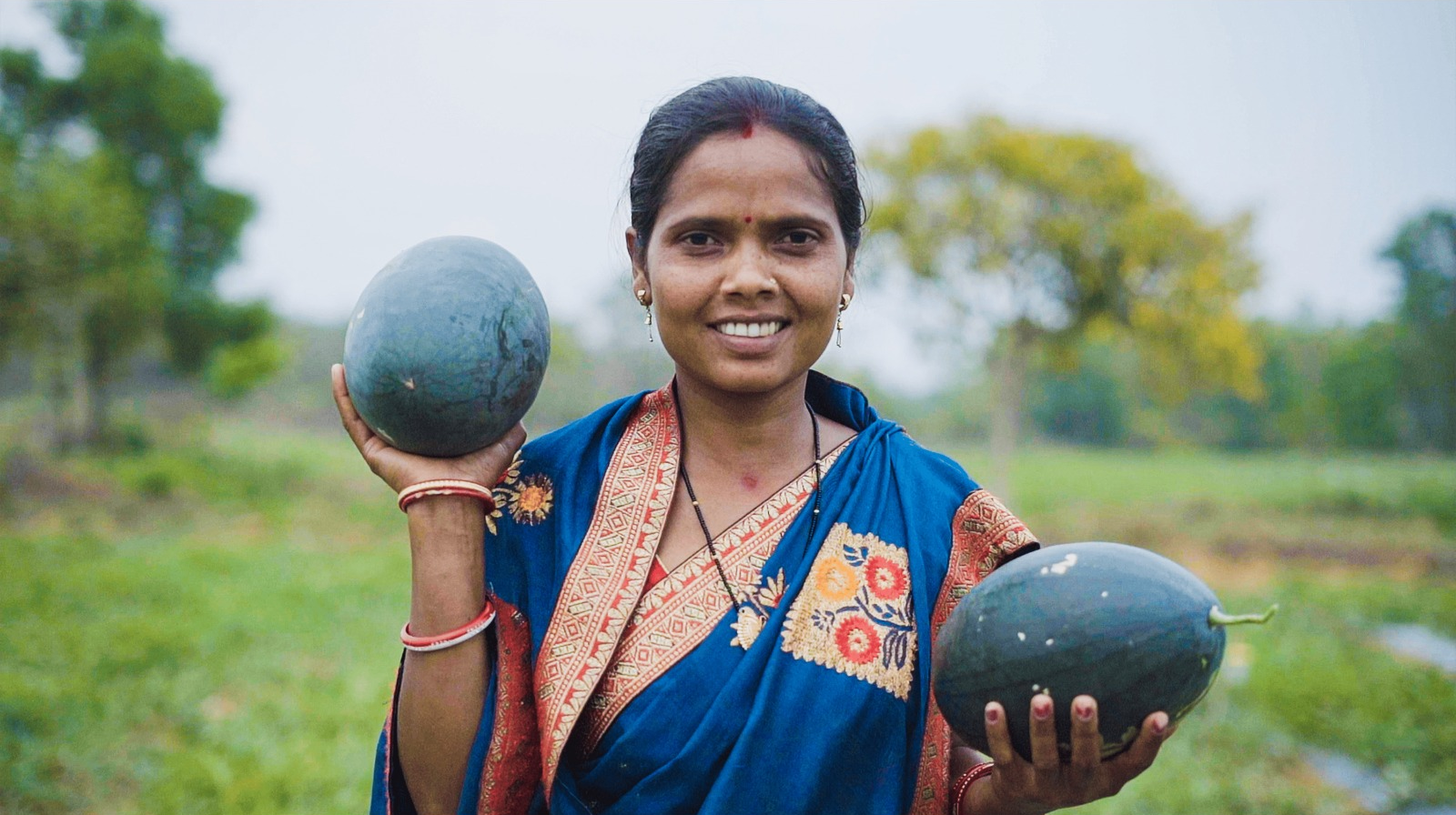
Photo: Pramila Sidu with her produce
Conclusion
The story of the women from Sarangagad is a powerful reminder of how much can change when people come together and believe in what is possible. What began with fifteen women and a stretch of dry, unyielding land has now blossomed into a thriving watermelon farm; a symbol of courage, collaboration, and conviction. In the beginning, many doubted their ability to succeed. Yet these women not only proved them wrong but also earned respect within their families and community, along with a sense of pride that no number can measure.
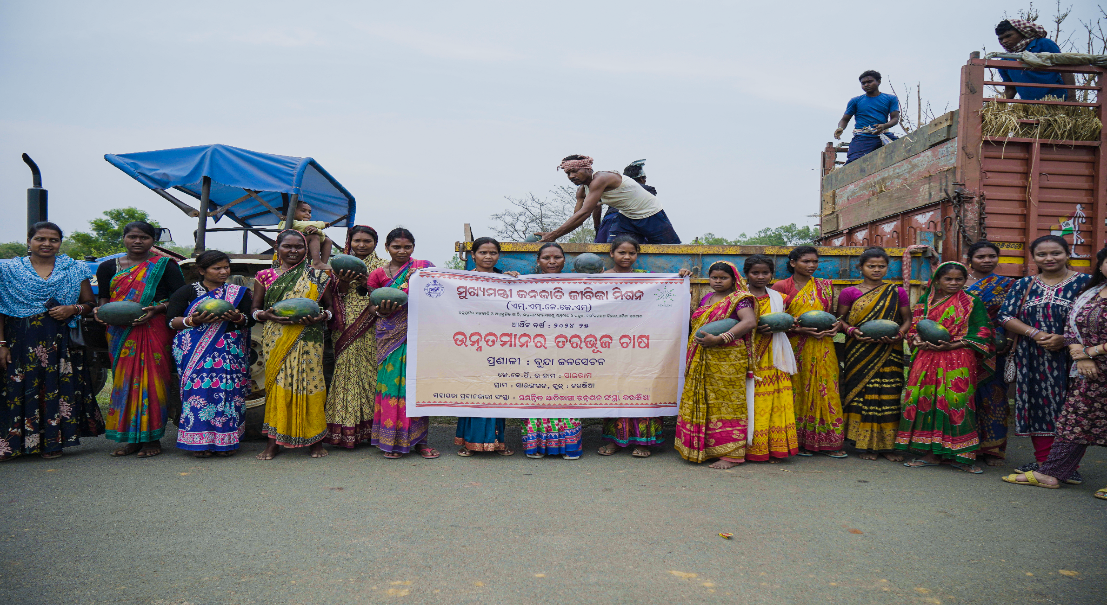
Photo: Women farmers with their produce
What makes their journey remarkable is not only the success of the crop, but the shift in how growth is happening in the region. With the AWARE initiative, different government departments, community institutions, PRIs, and NGOs joined hands with a shared purpose, revitalising coordination and strengthening community-centric planning. This spirit of collaboration has opened doors to opportunities that farmers can now confidently pursue.
Today, they stand more confident and determined, planning to expand watermelon cultivation in the coming seasons, while their success inspires neighbouring villages to explore collective farming supported by aligned institutions.
This is not just a story about agriculture. It is a story of how coordinated efforts across institutions and communities can unlock possibilities that once seemed out of reach. By working together, aligning plans, resources, and support, stakeholders created the space for community members to rise, learn, grow, and lead. It reminds us that when people and systems move in harmony, even the most barren land can open new pathways of hope.
Annexure 1-
Final Cost Economy:
| Component | Type | Total Cost (INR) | Subsidy – Horticulture Dept (INR) | Subsidy – ITDA (INR) | Farmer Contribution (INR) |
|---|---|---|---|---|---|
| Drip Irrigation System + Mulching Sheets | Fixed | ₹9,37,000 | ₹7,37,000 (Only Drip System+ Mulching sheets) |
₹2,00,000 (covers Farmer’s Share & part of mulch too) | |
| Seeds & Fertilizers | Recurring | ₹3,50,000 | ₹3,50,000 | ||
| Field Preparation | Recurring | ₹60,000 | ₹60,000 | ||
| Labour | Recurring | ₹1,28,000 | ₹1,28,000 | ||
| Bio-inputs (BYP, FYM, Trichoderma, etc.) | Recurring | ₹40,000 | ₹40,000 | ||
| Other Expenses (Logistics, Electric, etc.) | Recurring | ₹60,000 | ₹60,000 | ||
| TOTAL | ₹15,75,000 | ₹7,37,000 | ₹5,50,000 | ₹2,88,000 |
Watermelon Cultivation Revenue & Net Income Summary (15 Women Farmers)
| Sales Channel | Quantity Sold | Rate (INR/kg) | Revenue (INR) |
|---|---|---|---|
| Swayang Sampurna Farmer Producer Company | 117 tons (1,17,000 kg) | ₹10 | ₹11,70,000 |
| Local Market (direct sales) | 78 tons (78,000 kg) | ₹10–₹12 (variable rate) | ₹9,05,000 |
| Total Revenue | 195 tons (1,95,000 kg) | ₹20,75,000 |
Net Income Summary
| Metric | Total (INR) | Per Farmer (INR) |
|---|---|---|
| Gross Revenue | ₹20,75,000 | ₹1,38,333 |
| Farmer Contribution | ₹2,88,000 | ₹19,200 |
| Net Income (Gross - Contribution) | ₹17,87,000 | ₹1,19,133 |
Footnote:
Established on 9th March 2021 with support from the Agriculture Production Cluster (APC) Programme and funding from Mission Shakti, the Swayang Sampurna Farmer Producer Company (FPC) today brings together 4,808 women farmers from the Karanjia and Jashipur blocks of Mayurbhanj district, Odisha.
Since its inception, the FPC has played a pivotal role in empowering small and marginal women farmers by linking them to larger markets, ensuring better price realization, and facilitating direct income in their own hands. It has also strengthened their access to quality agricultural inputs, supporting them to adopt improved practices and build more sustainable, market-oriented livelihoods.
About the Author